How much does a storage unit cost in Canada? (2026 pricing guide)
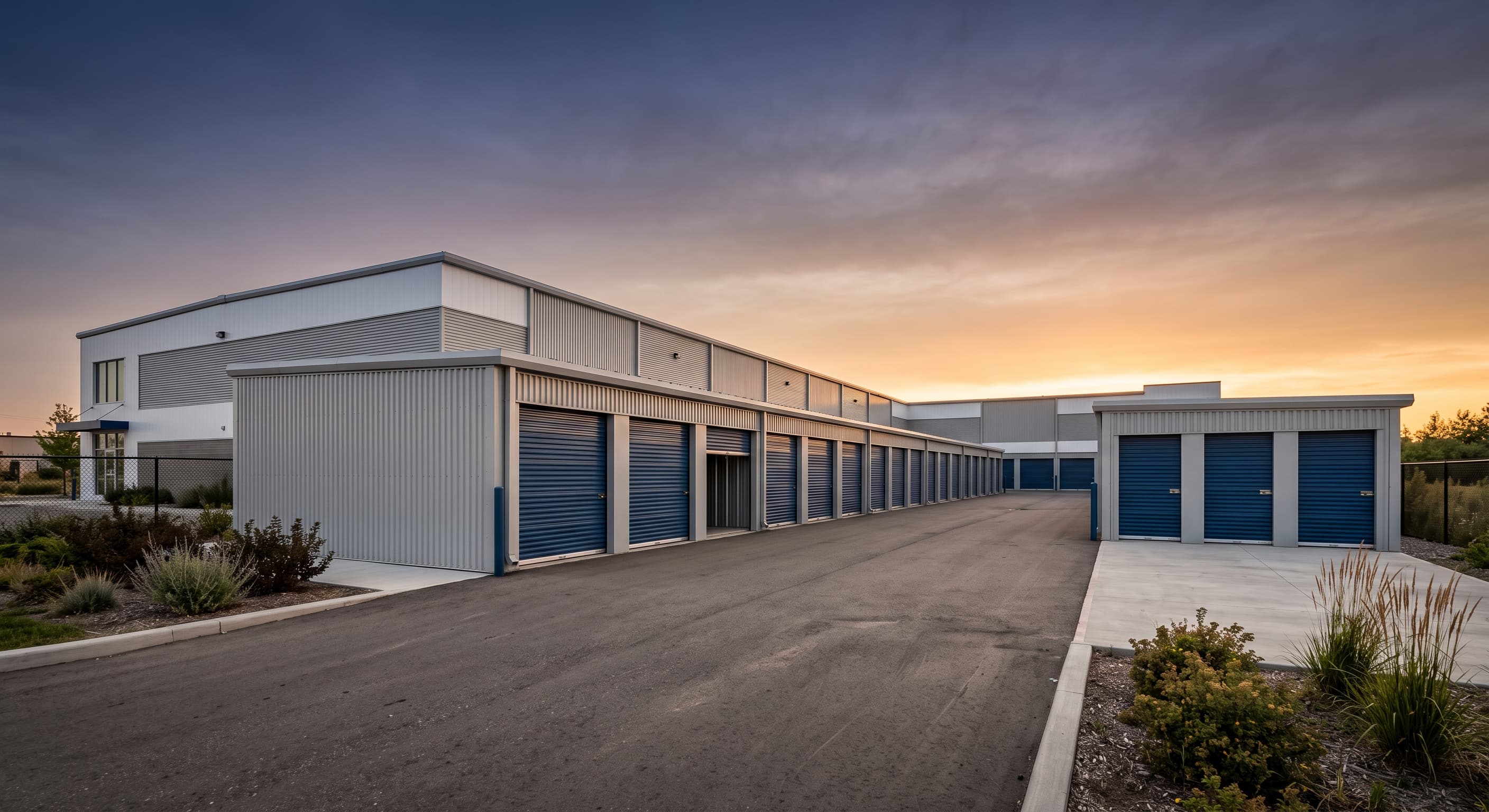
Storage unit pricing varies more than most people expect — by city, by unit size, by season, and by facility type. Before you commit to a unit, here's what actually drives the price, and what to check for before you sign.
What drives the price of a storage unit
- Unit size: This is the biggest factor by far. A locker-sized unit (roughly the size of a closet) and a unit big enough for a two-bedroom apartment's worth of furniture can differ in price by 4–5x. Get the sizing right before comparing prices — paying for space you don't need is the single most common way people overspend on storage.See our guide to picking the right unit size →
- Climate control: Climate-controlled units typically cost more per month than standard drive-up units, because they involve HVAC infrastructure and, usually, indoor access. Whether that premium is worth it depends on what you're storing.See our climate control guide →
- Location: Storage in dense, high-rent areas of Toronto and Vancouver costs more than storage in the suburbs or in smaller cities, following the same real estate logic as everything else. If you can store slightly further from home, you'll usually pay less — the tradeoff is access convenience.
- Access type: Drive-up units are often priced differently than indoor units on the same lot — sometimes cheaper because they need less building infrastructure, sometimes not, depending on the facility.See our drive-up vs. indoor comparison →
- Season and promotions: Storage demand spikes around the spring/summer moving season (May–September) and around September (students). Prices — and promotional discounts — move accordingly. Booking outside peak season, or asking about first-month promotions, can meaningfully lower your cost.
What to budget for beyond the monthly rate
The advertised monthly rate is rarely the whole story. Before signing, ask about:
- Administration or setup fees: a one-time charge on move-in that some facilities don't advertise up front.
- Mandatory insurance or protection plans: many facilities require some form of coverage on stored goods, either their own plan or proof of your own policy. Confirm the cost, and whether your existing home or tenant insurance already covers off-site storage — many policies cap this at a small percentage of your total coverage, or exclude it entirely.
- Lock requirements: some facilities require a specific lock type (often a disc lock) for security reasons, which is a small extra cost.
- Rate increases: introductory rates are common, and increase after a set period. Ask what the rate will be after month 3, 6, or 12, not just the sign-up price.
- Late fees and lien policies: worth understanding upfront, even if you don't plan to need them.

Ballpark ranges by city
Storage pricing shifts often and varies by neighbourhood, so treat these as starting points for comparison rather than quotes — always confirm current pricing directly with facilities:
- Toronto: Generally the highest-priced market in the country, particularly downtown and near-downtown; prices ease moving toward the outer 416/905 boundary.
- Vancouver: Comparable to Toronto in dense areas (downtown, Kitsilano, Burnaby), with more room to save further out in the Fraser Valley or Surrey.
- Montréal: Typically more affordable than Toronto or Vancouver for comparable unit sizes, though downtown and Plateau-area units carry a premium.
- Calgary: Generally the most affordable of the four major markets, with more drive-up inventory available at lower price points.
For current pricing in your area, browse facilities on our city pages.
See all cities we cover →Is a storage unit worth the cost?
A simple gut check that works for most situations: if what you're storing is worth less, in total, than a year of rental cost, storage probably isn't the right call — sell, donate, or discard instead. If it's furniture you'll need again in 3–6 months (a move, a renovation, a lease gap), a small unit is almost always cheaper than the alternative of buying replacements later.
Ready to compare real quotes instead of ballpark numbers? Submit a request and see what storage actually costs near you.
Submit a request →